At ProDerm UK, our expert dermatologists provide precise diagnosis and effective treatment for all types of skin cancer, optimising your chance to be cancer-free and ensuring your peace of mind.
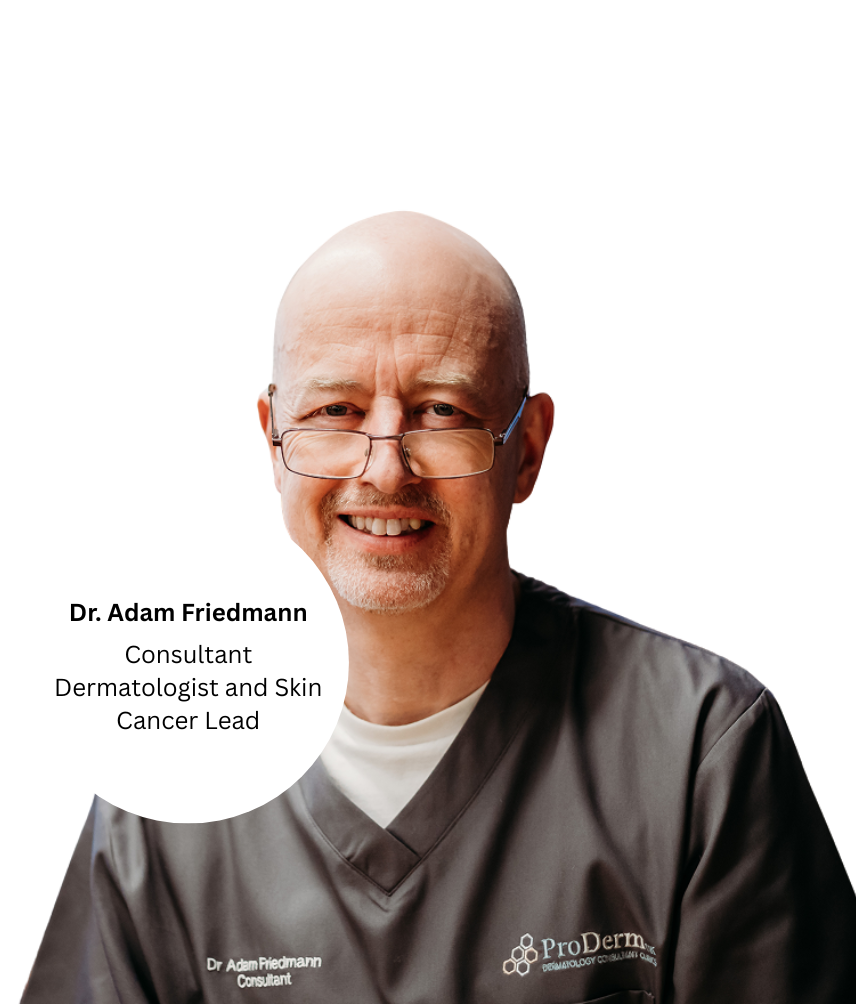
Dr Friedmann is a multi-award-winning consultant dermatologist and skin cancer expert with over 25 years of experience in dermatology. Having trained at leading London teaching hospitals, he is the Skin Cancer lead at ProDerm UK and an experienced skin cancer surgeon.
Have you been diagnosed with or worry about potential skin cancer?
ProDerm UK, rapid-access, Consultant-led private skin cancer screening and Treatment.
You should consider visiting our skin cancer clinic if:
Regular screening helps monitor changes in moles and localised skin concerns, providing peace of mind and enabling early action.
Skin cancer develops when abnormal cells in the skin begin to grow and divide uncontrollably. It is the commonest cancer in the UK and is linked to cumulative lifetime sun exposure and childhood sunburn.
There are two main types of skin cancer: non-melanoma and melanoma. Non-melanoma includes Basal Cell Carcinoma and Squamous Cell Carcinoma, which are generally less aggressive but still require treatment. Melanoma, on the other hand, is more serious and can spread to other parts of the body if not caught early.
Recognising the signs of skin cancer and seeking expert assessment promptly can make a significant difference in outcomes. At ProDerm UK, we encourage patients to be proactive in monitoring their skin and we give our commitment to see patients urgently if they are concerned.
What To Expect
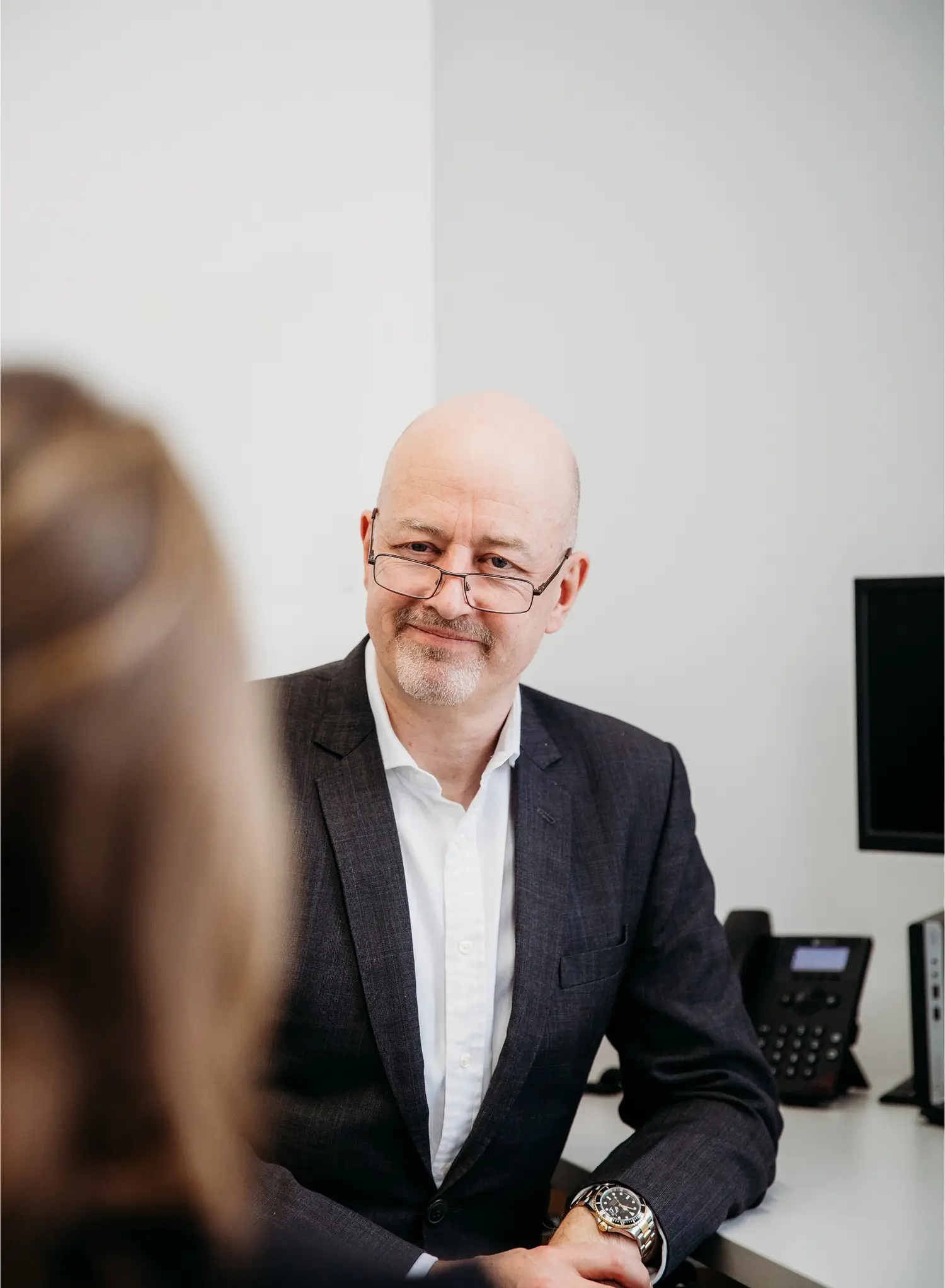
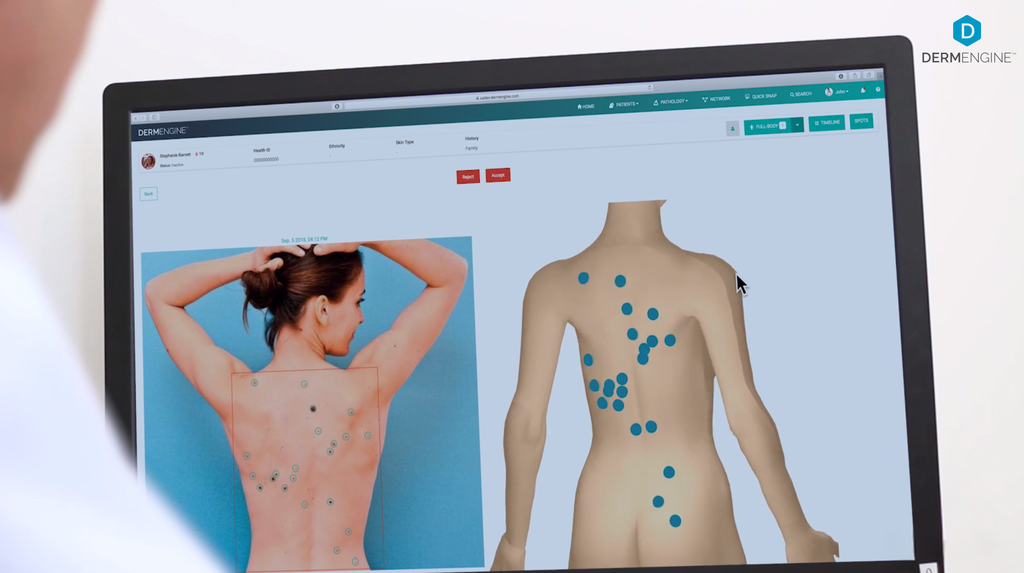
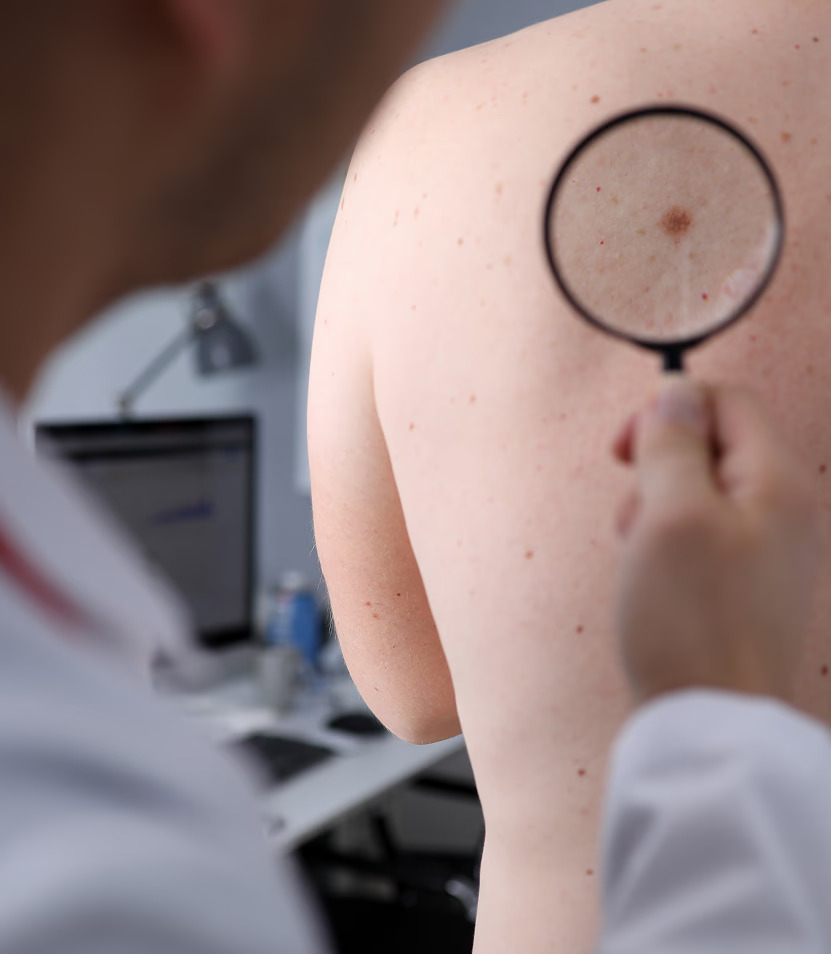
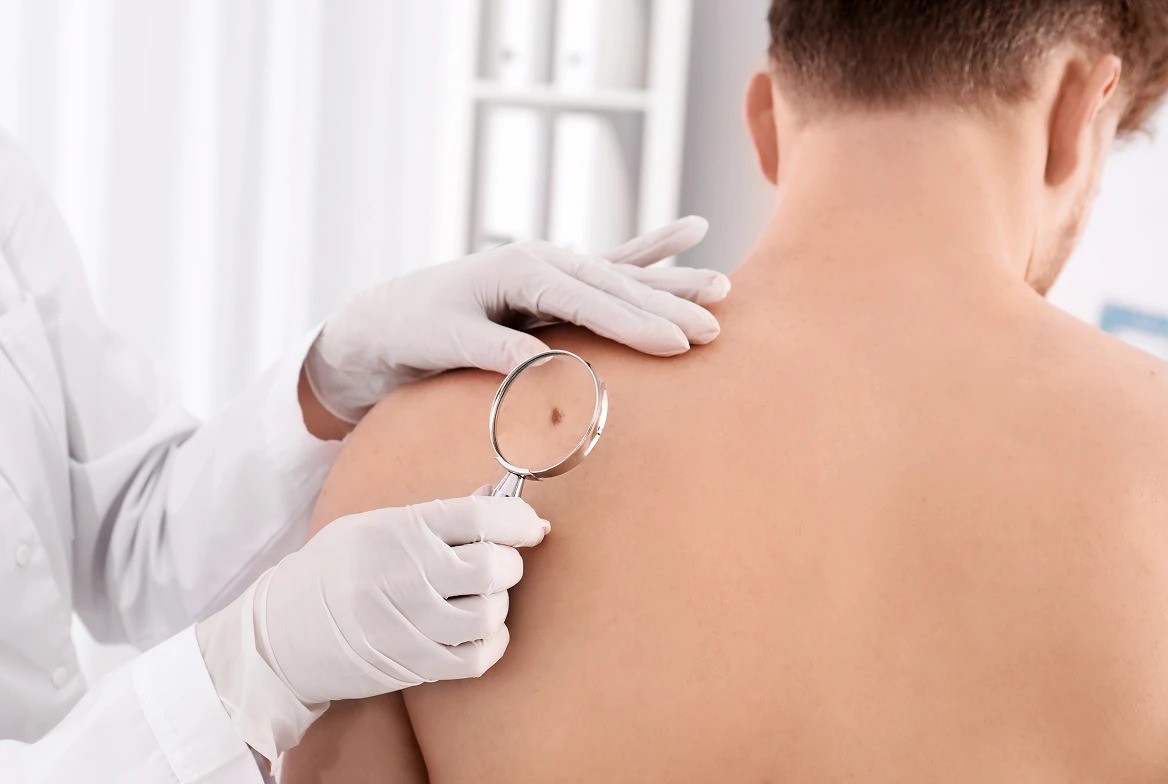
Your consultant dermatologist will take a thorough medical history and examine your skin in order to confirm the diagnosis of skin cancer. The consultant will then discuss any further testing that might be required eg skin biopsy, and discuss all treatment options available to remove your skin cancer.
Once the diagnosis of skin cancer has been confirmed, a treatment plan can be formulated to remove it. This usually comprises surgical removal or in some complex cases, referral on to super-specialist micrographic or plastic surgeons
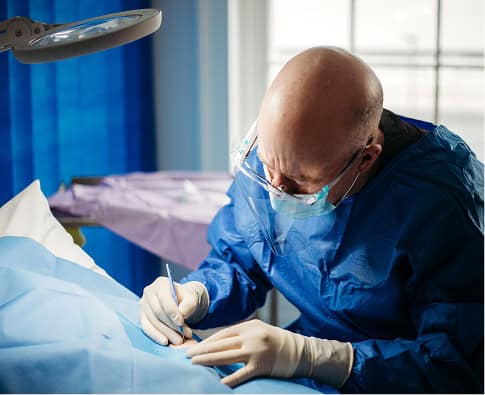
Our surgical procedures are undertaken in a state of the art operating theatre. Local anaesthetic is used, making for completely painless procedures.
At Proderm UK, we do not believe in hidden charges so all post-operative care is included in the cost including wound checks, dressings, nursing and stitch removal.
ProDerm UK is a dermatology centre of excellence, dedicated to providing expert-led care from consultant dermatologists in a state-of-the-art clinical setting.
Founded by renowned Harley Street dermatologist Dr. Adam Friedmann, our clinic is founded on the belief that high-quality dermatological care should be accessible, affordable, patient-focussed, and delivered with the highest level of expertise.
Our team comprises consultant dermatologists, dermatology-trained nurses, surgeons and skilled support staff, all working as a team to diagnose and treat conditions affecting the skin, hair, and nails.
ProDerm UK,
Ground Floor, Festival House
Jessop Avenue,
Cheltenham.
GL50 3SH
Mon ‑ Fri: 9am ‑ 5pm
Tel: 020 3026 4762
FAQ's
Skin cancer is due to mutations in the skin cells caused by genetic factors or sun-damage. The keratinocyte cells give rise to non-melanoma skin cancers, basal cell and squamous cell carcinoma. The melanocytes give rise to malignant melanoma, the most aggressive of the skin cancers.
There are two types of skin cancer broadly speaking, melanoma and non-melanoma. Non-melanoma comprises basal cell and squamous cell carcinoma neither of which is particularly dangerous. Basal cell carcinoma is normally cured with treatment, but occasionally squamous cell carcinoma can spread if not treated adequately.
Melanoma by contrast if left untreated is an aggressive cancer that can spread so the advice is to treat it as early as possible.
Non-melanoma skin cancer is usually cured by surgical removal with a very small chance of recurrence in some cases.
Melanoma if caught early enough can be cured completely but if left, it can become incurable and spread to other parts of the body.
Surgery always leaves a scar and the smaller the procedure, the smaller the scar. That is why it is recommended that you have your skin cancer treated at the earliest opportunity as this also prevents recurrence. Skin cancer surgeons are expert in trying to minimise the visual impact of scars
Copyright 2025 ©